Updated 30 September 2026
Water that runs clear but turns orange after sitting in a glass has ferrous (clear-water) iron. Water that comes out of the tap already rust-colored has ferric (red-water) iron, or a mix of both. A lab test that reports the concentration in milligrams per liter, not just “iron present,” is what determines the right filter.
The Minnesota Department of Health puts the practical threshold at 0.3 milligrams per liter: water with iron above that level is usually considered objectionable, meaning noticeable staining, taste, or color. Below that number, most people never know iron is present at all.
Treatment splits sharply by concentration, too. Ohio State University Extension recommends a polyphosphate treatment for iron under 2 milligrams per liter, a water softener for levels under 5, an iron (greensand) filter for levels under 10, and chlorination with filtration above that. The right fix depends entirely on which bracket your water falls into.
Iron in well water shows up as orange stains, a metallic taste, or water that looks clear from the tap but turns cloudy and rust-colored after sitting. Which symptom you see actually tells you something about the type of iron involved, and that distinction, more than the stain itself, decides which treatment works.
Identify the Iron Type by Symptom
Ferrous iron, sometimes called clear-water iron, is dissolved in the water and invisible at the tap. Fill a clear glass and let it sit for 15 to 30 minutes: if it turns orange or develops rust-colored particles as it sits, oxygen in the air is converting dissolved ferrous iron into visible ferric iron.
This guide sits in our Well Water Problems section alongside the sulfur odor guide and the brown water diagnosis guide.
Ferric iron, or red-water iron, has already oxidized before reaching the faucet, so it comes out of the tap visibly orange or reddish from the start. This usually means iron oxidized somewhere upstream, in the well itself, in aging galvanized pipe, or in a pressure tank.
Many wells have both. Staining on sinks, tubs, and laundry that builds up over weeks is typical of either type, but a metallic taste combined with reddish slime in a toilet tank points toward iron bacteria, a related but separate problem that needs its own treatment step.
Minnesota Health notes iron in water does not usually present a direct health risk, since the body needs iron to transport oxygen in the blood. The bigger concern is indirect: iron can support the growth of harmful bacteria if they have also entered the well.
Confirm the Concentration With a Test
Visual identification narrows the type, but a certified lab test gives the number that actually sizes the equipment: total iron in milligrams per liter, plus a separate reading for manganese, since the two minerals often travel together and respond to the same treatment.
Ask for a test that reports iron and manganese separately, along with pH. Low pH water is more corrosive and can pull additional iron out of plumbing between the well and the tap, inflating what looks like a well-water problem.
Match the Removal Method to the Iron Level
| Iron level | Telltale sign | Removal method |
|---|---|---|
| Under 0.3 mg/L | Usually unnoticeable | No treatment typically needed |
| Under 2 mg/L | Light staining, faint metallic taste | Polyphosphate treatment |
| Under 5 mg/L | Visible staining, some clear-water iron | Water softener (ion exchange) |
| Under 10 mg/L | Heavy staining, both iron types present | Iron (greensand) filter, oxidizing media |
| Over 10 mg/L | Severe staining, strong metallic taste | Chlorination followed by filtration |
A water softener treats moderate ferrous iron the same way it treats hardness, through ion exchange, but it clogs faster and needs more frequent regeneration when iron is present. An iron filter using oxidizing media (often manganese greensand or an air-injection system) handles both dissolved and oxidized iron without the added burden on a softener’s resin bed. Above roughly 10 milligrams per liter, feeding chlorine ahead of a filter oxidizes iron faster than media alone can keep up with.
The Challenges of Fixing Iron in Well Water
The first challenge is that iron bacteria complicate the picture. Once iron bacteria colonize a well, they form a reddish-brown slime that clogs screens, pumps, and filters, and standard iron removal equipment does not eliminate the bacteria themselves. That usually requires shock chlorination in addition to filtration.
Sizing the removal equipment itself depends on the concentration a lab test returns. Our iron filter guide compares air injection and manganese greensand technology by cost and capacity.
The second challenge is pH. Corrosive, low-pH water dissolves iron out of galvanized plumbing even after the well water itself is treated, which means a homeowner can install the right filter and still see staining if the plumbing is contributing iron on its own.
Iron rarely arrives alone on a well test. Our well water treatment guide covers how to sequence an iron stage alongside hardness, sediment, and disinfection in one treatment train.
The third challenge is undersizing. Manufacturers rate iron filters and softeners for a maximum concentration, and installing a unit rated for 5 milligrams per liter on water testing at 8 leaves iron passing through untreated, which reads as a failed fix when it is really an undersized one.
Iron buildup is also hard on fixtures most homeowners never connect to their well. It clogs dishwasher spray arms and washing machine valves, shortens a water heater’s working life, and leaves soap struggling to lather in the shower. In the laundry room, reaching for chlorine bleach on an iron stain is a common mistake, since bleach oxidizes iron faster and sets the rust color into fabric instead of lifting it.
Reddish slime inside a toilet tank or well casing usually signals iron bacteria, not just dissolved iron. If a test also shows coliform bacteria, treat the water as unsafe to drink until the well is shock chlorinated and retested clean.
Iron vs. Manganese: Why the Lab Report Lists Both
Manganese behaves like a darker, more stubborn cousin of iron. It causes black or dark brown stains instead of orange, resists some of the same treatment methods, and often shows up in the same groundwater as iron because both minerals dissolve under similar low-oxygen conditions.
A treatment sized only for iron sometimes underperforms on manganese, since manganese oxidizes more slowly and needs a stronger oxidizer or a longer contact time with the filter media. Whenever a test reports both minerals, size the equipment to whichever concentration is proportionally higher against its own threshold, not just the larger raw number.
What Causes Iron to Get Into a Well
Iron occurs naturally in soil and bedrock across most of the country, and groundwater dissolves it as it moves through iron-bearing rock and sediment layers on the way to the well. Older wells with corroding steel casing or galvanized plumbing add a second source on top of whatever the aquifer itself contributes.
A well that tests high for iron and also has aging galvanized pipe often needs both fixes: a filter sized to the water’s iron level, and eventually pipe replacement, since the filter alone will not stop plumbing from contributing its own iron between treatment and the tap.
How to Fix Iron Staining for Good
Test before buying equipment, and size the filter to the highest reading the lab returns, not the visible severity of the staining, since ferrous iron often looks worse after treatment has already improved it, simply because more of it is now oxidizing visibly on its way out of the system.
Utilities filter iron out before city water ever reaches a tap, a step a private well owner does not get automatically. Our well water vs city water comparison covers the other maintenance that shifts from the utility to the homeowner.
Iron sits under the secondary standards, which are aesthetic guidelines rather than health limits. Our contaminants reference explains that distinction and shows where iron sits against the contaminants that do carry health limits.
If iron bacteria are confirmed, shock chlorinate the well first, then install or resize filtration afterward. Retest 30 to 60 days after any fix to confirm the concentration dropped and stayed down, since a partial improvement usually means the equipment is undersized rather than ineffective.
Once a lab result confirms the iron level, comparing removal equipment side by side in the well water filtration system guide makes it easier to size the right unit the first time.
Frequently Asked Questions (FAQs)
How much iron in well water is safe?
Iron does not usually present a direct health risk, since the body needs iron for healthy blood. Minnesota Health considers water above 0.3 milligrams per liter objectionable for taste, staining, and appearance, which is the threshold most homeowners use to decide whether treatment is worth it.
What are signs of iron in well water?
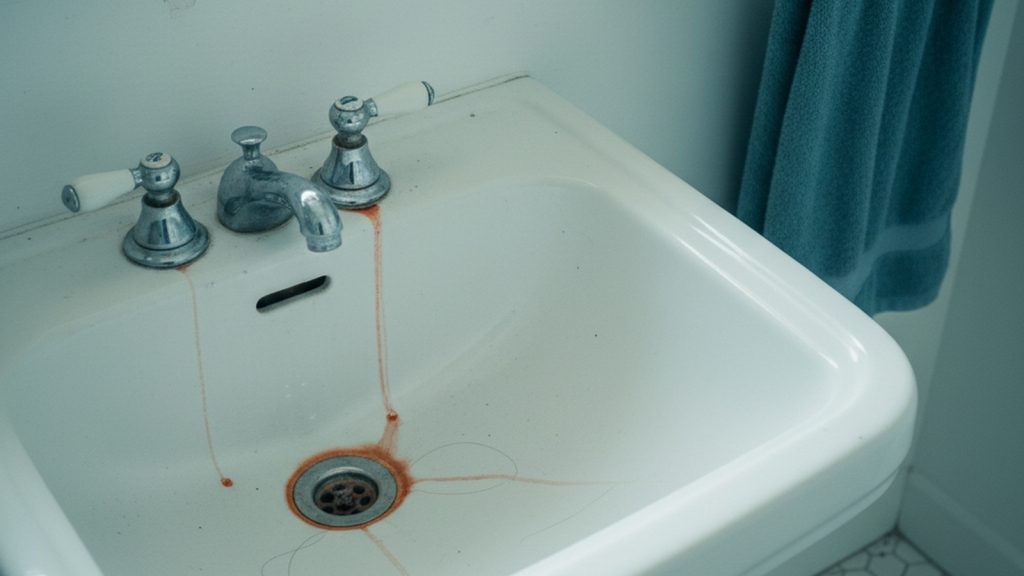
Orange, red, or brown stains on sinks, tubs, and laundry are the most visible sign. A metallic taste, water that turns cloudy or rust-colored after sitting in a glass, and reddish slime in a toilet tank are other common indicators.
How do I remove iron from my well?
The right method depends on concentration: polyphosphate for low levels, a water softener for moderate ferrous iron, an oxidizing greensand filter for higher levels, and chlorination with filtration for the highest concentrations. Confirm the exact level with a lab test before choosing equipment.
What causes iron in well water?
Iron occurs naturally in soil and rock, and groundwater picks it up as it moves through iron-bearing layers toward the well. Corroding steel well casing or galvanized plumbing can add additional iron even after the groundwater itself is treated.
Will a refrigerator or pitcher filter remove iron from well water?
No. Those filters are not built for the iron load a well can carry and clog quickly once iron is present. Iron needs treatment sized to the whole house, or at minimum a dedicated point-of-use unit rated for iron, not a standard carbon pitcher or fridge cartridge.



