Updated 30 September 2026
Usually yes: most well water is hard to very hard, meaning above 120 mg/L of calcium carbonate by the USGS scale, because groundwater dissolves calcium and magnesium as it moves through rock and soil, and hardness varies widely by region. Whether your specific well is hard, and how hard, only shows up on a test, either a lab panel or an at-home titration kit. Confirm the grains-per-gallon number before sizing a softener.
Yes, well water is usually hard, and the U.S. Geological Survey classifies water testing above 180 milligrams per liter of dissolved calcium and magnesium as calcium carbonate is classified as very hard, with 121 to 180 mg/L rated hard and 61 to 120 mg/L rated moderately hard. Groundwater is the category most likely to hit those numbers, since USGS notes that as water moves through soil and rock it dissolves small amounts of naturally occurring minerals and carries them straight into the supply a well draws from.
Nobody is checking that number for your specific well before you move in, either. The EPA estimates more than 23 million households rely on private wells for drinking water, and federal drinking water rules do not extend to any of them. So is well water hard water? Usually leaning that direction, but “usually” is not a number you can size a softener around.
Homeowners on a well tend to notice hardness before they ever see a test result: soap that will not lather, a bathtub ring that keeps coming back, spotted glassware straight out of the dishwasher, and white scale creeping across the coffee maker. Dry skin and dull, brittle hair after a shower are common complaints too, since hardness minerals interfere with how soap and shampoo rinse away. Those symptoms confirm hardness exists. They do not tell you how hard, and that number is what decides whether you need a softener at all, and if so, what size.
How Well Water Hardness Is Measured: mg/L and Grains Per Gallon
Hardness is measured in milligrams per liter (mg/L) of calcium carbonate, or converted to grains per gallon (gpg), the unit most softener sizing charts use. One grain per gallon equals about 17.1 mg/L, which is how the two scales below line up.
This guide sits in our Well Water Problems section alongside the safe to drink overview and the aquifer to faucet explainer.
To convert your own result between units and see where it falls on both classification scales, use our water hardness calculator.
| Classification | mg/L as CaCO3 | Grains per gallon (gpg) |
|---|---|---|
| Soft | 0 to 60 | 0 to 3.5 |
| Moderately hard | 61 to 120 | 3.5 to 7.0 |
| Hard | 121 to 180 | 7.0 to 10.5 |
| Very hard | Above 180 | Above 10.5 |
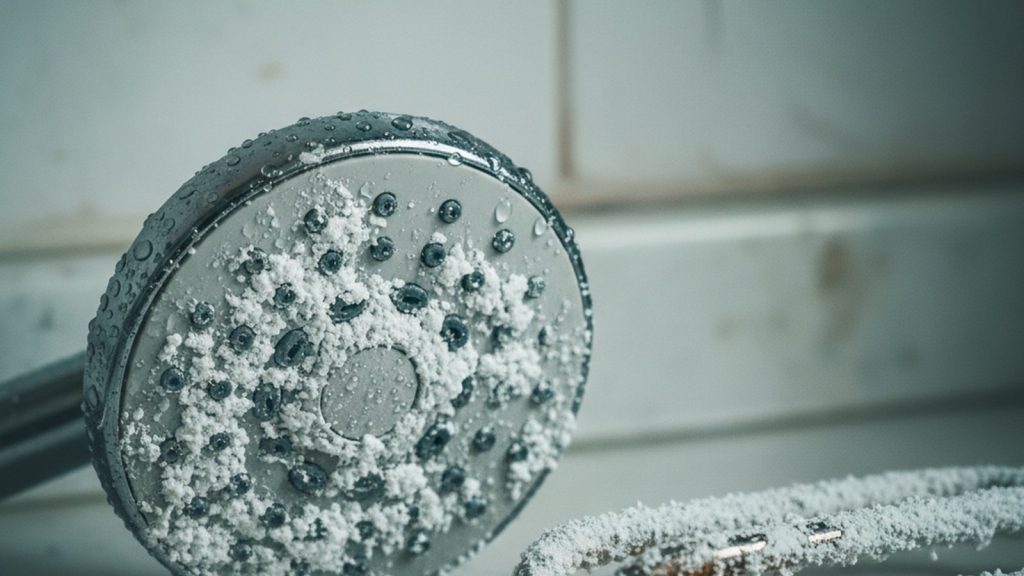
USGS explains that hard water forms scale when heated, the same solid calcium carbonate deposits that build up inside a water heater or coffee maker. That scale reduces equipment life, raises water heating costs, and lowers the efficiency of electric water heaters, which is why the mg/L or gpg number matters beyond soap and laundry. Tankless water heaters and reverse osmosis membranes are especially sensitive to scale buildup, since both rely on tight tolerances that mineral deposits clog faster than a standard tank.
Source: U.S. Geological Survey, Water Science School, Hardness of Water
Why Well Water Hardness Varies by Depth and Location
Hardness is not uniform across the country. USGS notes that water hardness varies throughout the United States, with some regions drawing from mineral-rich limestone and dolomite aquifers that produce hard to very hard water, and others drawing from granite or volcanic bedrock that yields naturally soft water. A neighbor’s softener setting, or a number you find online for your state, is a starting guess at best.
Hardness is one of several differences that follow well water and not the municipal supply next door. Our well water vs city water comparison covers the rest side by side.
Well water carries an added variable that municipal water does not: depth and local geology shift hardness meaningfully between two wells a few hundred yards apart. A shallow well drawing from a sandy, mineral-poor layer can test soft while a deeper well on the same street, tapping a limestone seam, tests very hard. That is the practical answer to is well water hard or soft: probably hard, but “probably” is exactly why you test your own water instead of assuming.
Testing Challenges That Make Guessing Risky
Sizing a softener off symptoms alone creates two recurring challenges. The first is that soap-lather complaints and scale buildup describe hardness in general but say nothing about the actual grains-per-gallon number, and softeners are sized to that number, not to a feeling. An undersized unit runs out of capacity early; an oversized one wastes salt and water on every regeneration cycle.
The second challenge is that well water often carries iron and manganese alongside hardness minerals, and those metals can foul a softener’s resin bed over time if the unit was not sized to handle them. A hardness test alone will not catch that. See iron in well water if your water also stains fixtures or tastes metallic, since that combination changes what equipment you need.
A softener sized only from a general regional hardness estimate can underperform on your specific well. Test your own water, not the county average, before buying equipment sized to someone else’s number.
How to Test for Hard Water
- Start with an at-home titration kit. These count drops of reagent added to a water sample until it changes color, giving a gpg reading accurate enough for a first check.
- Confirm with a lab test if the number is borderline. A certified lab reports hardness alongside iron, manganese, and other minerals in the same sample, which a drop-count kit cannot do.
- Test after any well disturbance. New pump installations, nearby drilling, or heavy rain can shift mineral content, so retest rather than relying on an old result.
- Record the gpg number, not just “hard” or “soft.” Softener sizing charts require the actual figure, and installers will ask for it directly.
Request hardness alongside iron and manganese in the same test panel. Well water hard enough to need a softener often carries enough dissolved iron to affect which resin type and regeneration settings the system should use.
Hard water itself is not a health hazard. The World Health Organization notes drinking water can even contribute useful calcium and magnesium to the diet. Treat hardness as a maintenance and equipment issue, not a safety one, unless a separate contaminant shows up on your test.
How to Size a Water Softener for Hard Well Water
Once you have a verified gpg reading, softener sizing follows directly: match the unit’s grain capacity to your household’s daily water use multiplied by your hardness number, and account for iron if your test shows it. Skipping the test and guessing at “hard” versus “very hard” is the single most common reason well owners end up with an undersized or oversized system, either running dry between regenerations or cycling far more often than the water actually requires.
Sizing that unit from a real number, not a rule of thumb, is worth doing before buying. Our water softener sizing calculator works the grain capacity from your household size, hardness, and iron result.
Salt-free “conditioners” are not a substitute here: they alter the crystal structure of hardness minerals so scale sticks less, but they do not remove calcium and magnesium through ion exchange the way a true softener does. If your test shows hard to very hard water, an ion-exchange softener is the option built to change the gpg number itself.
Once a softener is the confirmed fix, choosing among the actual units on the market is the next step. Our best water softeners for well water roundup compares seven models built to handle well water, not just city water.
Confirm your full water profile, not just hardness, before buying equipment. See our well water testing guide to choose a panel that covers hardness alongside the minerals that most often ride along with it.
Sizing is only half the budget question. Our water softener cost guide prices the unit, installation, and salt over time so the number is not a surprise.
Frequently Asked Questions (FAQs)
What causes hard water in wells?
Hard well water comes from dissolved calcium and magnesium that groundwater picks up as it moves through soil and rock before reaching the aquifer. Limestone and dolomite formations produce the hardest water, while granite and volcanic bedrock tend to yield softer water.
How do I test for hard water?
An at-home titration kit gives a quick grains-per-gallon reading, while a certified lab test confirms the number and reports iron, manganese, and other minerals in the same sample. Test your own well rather than relying on a regional average, since hardness can vary meaningfully between nearby wells.
Can you soften well water?
Yes. Ion-exchange water softeners remove calcium and magnesium and are the standard fix for hard well water, sized to your household’s water use and your verified grains-per-gallon number. Wells with significant iron alongside hardness need a softener rated for iron, or a separate iron filter ahead of it.
Is hard water bad for you?
Hard water is not a health hazard at typical concentrations, and calcium and magnesium in drinking water can even contribute to dietary mineral intake. The real cost of hard water shows up in scale buildup, reduced appliance life, and higher soap and detergent use, not in health effects.
Is well water hard or soft?
Most well water leans hard to very hard, since groundwater has more contact time with mineral-bearing rock than surface water does, but the exact answer depends on your specific well and local geology. A titration kit or lab test is the only way to know your actual number rather than a regional guess.



